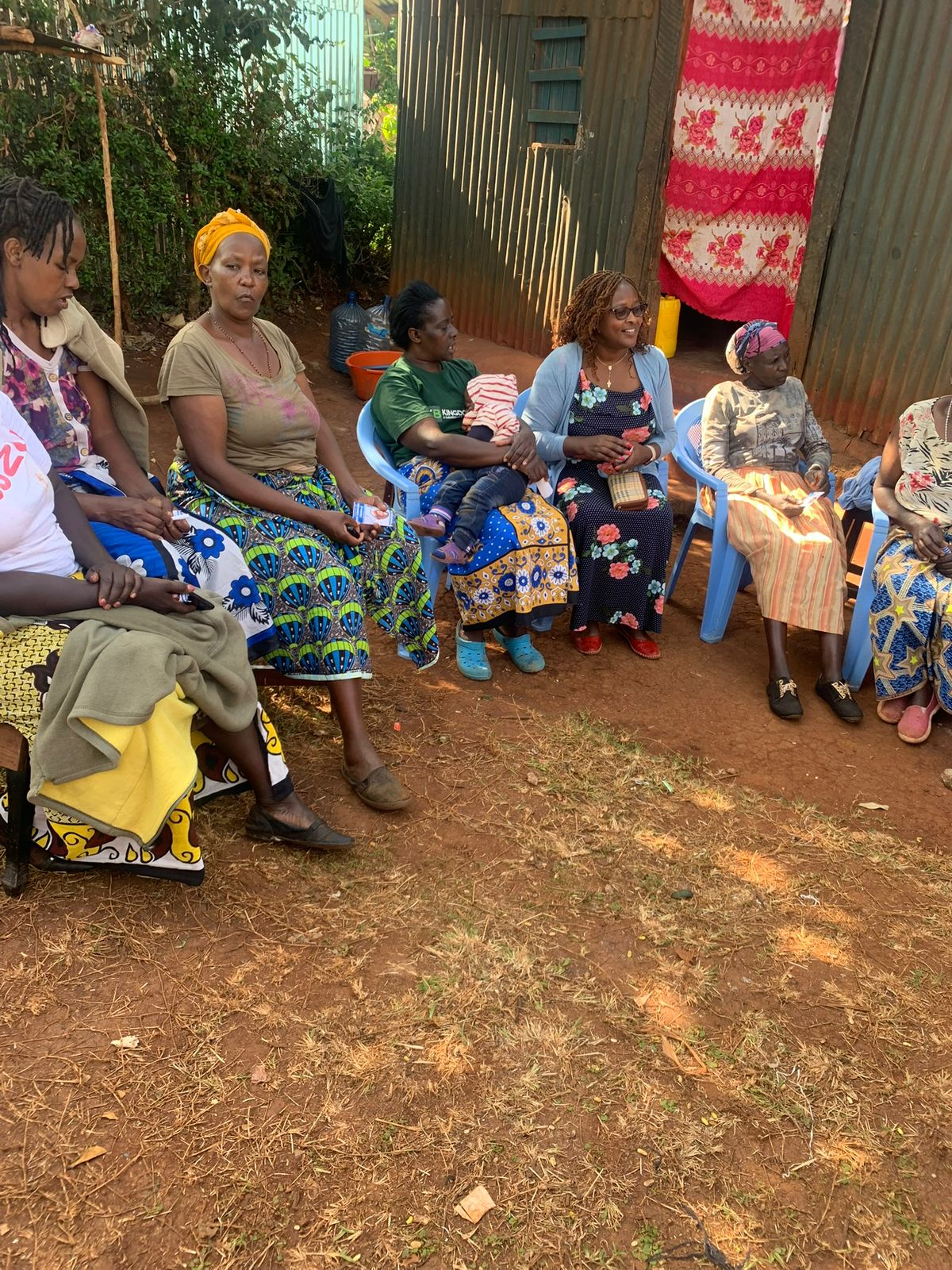
Civic and grassroots engagement is one of the most powerful forces for community transformation. When people come together to participate in decision-making, voice their concerns, and contribute to local solutions, they build stronger, more resilient societies. At its heart, civic engagement is about empowering everyday citizens—especially at the grassroots level—to take ownership of the issues that affect their daily lives.
The Value of Civic Participation
Healthy communities thrive when citizens are informed, involved, and invested. Civic engagement allows individuals to influence policies, hold leaders accountable, and promote transparency. Whether through attending community forums, participating in local associations, or engaging in public discussions, people gain the knowledge and confidence to shape their own futures.
Such participation enhances social cohesion. When residents interact around shared goals—safer streets, improved schools, better health services—they learn to collaborate and understand different perspectives. This strengthens trust and builds a sense of belonging, which is essential for long-term community development.
Grassroots Movements: Change from the Bottom Up
Grassroots engagement takes participation a step further by mobilizing communities to identify problems and implement solutions themselves. Instead of waiting for external intervention, grassroots movements empower people at the local level to take initiative. These efforts can include organizing neighborhood meetings, forming community-based organizations, advocating for policy changes, or launching small-scale development projects.
Grassroots initiatives often achieve lasting impact because they are rooted in lived realities. The people who are directly affected by challenges—whether environmental, economic, or social—are best positioned to understand the solutions needed. This bottom-up approach gives communities a voice and ensures that change is relevant, inclusive, and sustainable.
Youth as Drivers of Civic Action
Young people bring energy, innovation, and passion to civic and grassroots activities. Their involvement modernizes community advocacy by integrating fresh ideas, technology, and new approaches to problem-solving. When youth actively participate—whether in community forums, volunteer groups, or advocacy campaigns—they develop leadership skills and a stronger sense of civic responsibility.
By nurturing youth involvement, communities cultivate the next generation of engaged citizens and leaders who are prepared to champion justice, accountability, and development.
Benefits of Strong Civic and Grassroots Engagement
When citizens unite and take part in shaping their environments, the results are impactful:
- More responsive leadership: Community voices guide policies and actions.
- Greater transparency: Active participation holds leaders accountable.
- Stronger communities: Collaboration builds trust, unity, and resilience.
- Better local solutions: Projects are tailored to the actual needs of the people.
- Empowered citizens: People gain confidence and ownership of their community’s future.
Conclusion
Civic and grassroots engagement is a cornerstone of healthy, thriving societies. It empowers citizens to become active contributors rather than passive observers. When communities participate fully—and when youth are part of the journey—the result is meaningful, inclusive, and lasting change. By fostering civic awareness and supporting grassroots initiatives, we build communities that are united, informed, and capable of shaping their destiny from the ground up.